Welcome to Copperlink International Company!

- Call Us for help!
- +91 9819742205

Air Conditioning Copper Coil
Manufacturer,Stockist and Exporter of Air Conditioning Copper Coil
Air conditioning copper coils are a critical component in modern HVAC systems, ensuring efficient heat transfer and cooling performance. These coils are primarily made from high-quality copper, known for its superior thermal conductivity. Copper coils enhance the overall energy efficiency of air conditioners, reducing electricity consumption and operational costs. They are widely used in both residential and commercial AC systems due to their reliability. The design of copper coils allows for rapid heat dissipation, which improves the cooling cycle. Additionally, copper is resistant to corrosion, making these coils durable in various climates. Regular maintenance of copper coils can further extend their lifespan.
The structure of an air conditioning copper coil consists of a series of tubes that carry refrigerant, wrapped in thin copper fins. These fins increase the surface area for heat exchange, allowing the system to cool indoor air effectively. The tubes are often arranged in a serpentine or coil pattern to maximize contact with air. Copper’s excellent conductivity ensures that heat is quickly transferred from the refrigerant to the surrounding air. The coils are usually coated with protective layers to prevent oxidation and enhance longevity. Efficient coil design reduces the risk of refrigerant leaks. Proper installation is essential to ensure optimal airflow over the coils.
Air conditioning copper coils come in two main types: evaporator coils and condenser coils. Evaporator coils absorb heat from indoor air, cooling the space, while condenser coils release heat outside. Both types are vital for the refrigeration cycle to function effectively. Evaporator coils are usually installed inside the air handling unit, while condenser coils are located in the outdoor unit. Copper’s durability ensures that these coils can withstand pressure and temperature fluctuations. The flexibility of copper tubes allows for easy customization in various AC designs. Proper coil sizing is essential to prevent overloading and ensure system efficiency.
The advantages of copper coils in air conditioning systems include high thermal conductivity, resistance to corrosion, and ease of fabrication. Copper coils are less prone to fouling, reducing maintenance frequency. Their malleability allows manufacturers to create complex coil shapes that fit compact AC units. Copper’s natural antimicrobial properties help reduce bacterial growth on coil surfaces, improving indoor air quality. These coils are recyclable, making them an environmentally friendly option. The combination of durability and performance makes copper coils the preferred choice in premium air conditioning systems. Regular cleaning ensures consistent heat transfer efficiency.
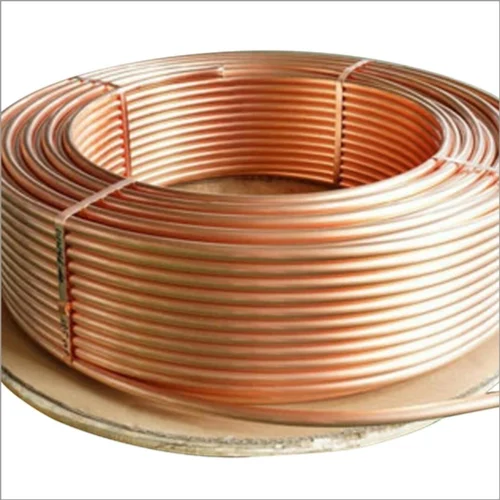
Air conditioning copper coils are also designed to handle varying refrigerants, including R-22, R-410A, and newer eco-friendly alternatives. Compatibility with different refrigerants ensures versatility in both new installations and retrofits. Copper’s high melting point and tensile strength allow coils to endure high-pressure systems. The seamless construction of copper tubes minimizes the risk of leaks. Additionally, copper’s resistance to fatigue helps prevent cracks caused by thermal expansion and contraction. These properties make copper coils a long-term investment for homeowners and businesses. Professional installation is crucial for maintaining refrigerant efficiency.
Maintenance of copper coils involves regular cleaning, inspection for corrosion, and checking for refrigerant leaks. Dust, dirt, and debris can accumulate on the coil fins, reducing airflow and heat transfer. Coil cleaning solutions or mild detergents can be used without damaging the copper surface. Periodic inspection ensures early detection of leaks or physical damage. Preventive maintenance enhances the coil’s efficiency and prolongs its operational life. Airflow over the coils should be unrestricted to maintain optimal cooling performance. Proper maintenance also reduces strain on the compressor and other AC components.
In terms of design, copper coils are often paired with aluminum fins to combine the conductivity of copper with lightweight properties of aluminum. This hybrid design improves overall efficiency while keeping the system lightweight. Copper-aluminum coils are commonly used in split ACs, window units, and central HVAC systems. The fin density and coil thickness are carefully engineered to maximize heat transfer while minimizing pressure drop. Advanced manufacturing techniques allow for precise bending and shaping of copper tubes. These design enhancements ensure that modern air conditioning systems operate quietly and efficiently. Proper spacing between fins prevents dust accumulation.
Air conditioning copper coils contribute significantly to energy savings. Efficient heat transfer reduces the runtime of compressors, lowering electricity bills. In high-performance AC systems, copper coils help achieve faster cooling and uniform temperature distribution. Their corrosion resistance ensures long-term reliability, even in humid or salty environments. Copper coils also withstand mechanical stress caused by vibrations in AC units. In comparison to other metals, copper provides a better return on investment due to durability and efficiency. Selecting high-quality copper coils ensures sustained cooling performance over the years.
Specification Of Air Conditioning Copper Coil
| Specification | Details |
|---|---|
| Material | High-quality Copper (C11000 / ETP Copper) |
| Tube Outer Diameter | 5 mm – 16 mm (standard sizes) |
| Tube Wall Thickness | 0.4 mm – 0.8 mm |
| Fin Material | Aluminum / Copper |
| Fin Density | 10 – 30 fins per inch |
| Coil Type | Evaporator Coil / Condenser Coil |
| Working Pressure | Up to 45 bar (varies with coil type and refrigerant) |
| Operating Temperature | -40°C to 120°C |
| Length of Coil | Customizable based on system design |
| Refrigerant Compatibility | R-22, R-410A, R-32, and other eco-friendly refrigerants |
| Surface Treatment | Anti-corrosion coating / Hydrophilic coating (optional) |
| Manufacturing Standards | ASTM B280, ASME, ISO 9001 compliant |
| Connection Type | Brazed / Flared / Threaded |
| Finish | Polished / Cleaned Copper Surface |
| Warranty | 1 – 5 years (depending on manufacturer) |
Copper coils are also environmentally friendly as they are recyclable and reduce overall energy consumption. High-efficiency copper coils minimize the carbon footprint of air conditioning systems. Additionally, the ability to use eco-friendly refrigerants complements sustainability goals. Copper’s long lifespan reduces the frequency of replacement, further contributing to waste reduction. Manufacturers continue to innovate in copper coil design to improve performance and environmental compliance. Advanced coatings can further protect coils from corrosion while enhancing heat transfer efficiency. The combination of performance and sustainability makes copper coils a preferred choice worldwide.
Applications of air conditioning copper coils extend beyond residential systems. Commercial buildings, industrial facilities, and large-scale HVAC setups rely heavily on copper coils for effective cooling. Data centers, hospitals, and office complexes require uninterrupted cooling, and copper coils deliver reliable performance. Industrial-grade coils are designed to handle higher pressures and larger refrigerant volumes. The modularity of copper coil design allows for customized solutions in complex HVAC systems. High durability ensures minimal downtime and reduces maintenance costs. Copper coils are often incorporated into hybrid cooling systems for enhanced efficiency.
Installation of air conditioning copper coils requires precision and technical expertise. Proper alignment, bending, and brazing of copper tubes are critical for leak-free operation. Technicians must ensure adequate airflow and spacing around coils for maximum efficiency. Poor installation can lead to reduced cooling capacity, increased energy consumption, and refrigerant leaks. Copper coils must be handled carefully to avoid dents or kinks that impair performance. Protective coatings or treatments are applied during manufacturing to enhance corrosion resistance. Following manufacturer guidelines ensures optimal system longevity.
Chemical Properties Of Air Conditioning Copper Coil
| Property | Details / Composition |
|---|---|
| Base Material | Electrolytic Tough Pitch (ETP) Copper, C11000 |
| Copper (Cu) Content | ≥ 99.90% |
| Oxygen (O) | ≤ 0.04% |
| Silver (Ag) | ≤ 0.01% |
| Phosphorus (P) | ≤ 0.003% |
| Lead (Pb) | ≤ 0.005% |
| Iron (Fe) | ≤ 0.02% |
| Nickel (Ni) | ≤ 0.002% |
| Antimony (Sb) | ≤ 0.002% |
| Tin (Sn) | ≤ 0.002% |
| Cadmium (Cd) | ≤ 0.001% |
| Chromium (Cr) | ≤ 0.001% |
| Corrosion Resistance | Excellent resistance to oxidation and environmental corrosion |
| Malleability | High, allows for bending and shaping without cracking |
| Conductivity | High electrical and thermal conductivity, ideal for heat transfer in AC systems |
Air conditioning copper coils are compatible with a variety of system designs, including split ACs, ducted systems, and VRF units. Their versatility allows manufacturers to offer compact designs without compromising cooling efficiency. Copper coils can also be used in heat pump systems, providing both cooling and heating functions. The adaptability of copper to different designs makes it a preferred material in modern HVAC engineering. Additionally, copper coils support advanced technologies such as inverter compressors and variable-speed fans. Efficient integration ensures consistent indoor comfort while conserving energy.
Troubleshooting air conditioning copper coils involves checking for refrigerant leaks, blockages, and corrosion. Common issues include reduced airflow due to dirty fins or bent tubes. Thermodynamic performance can be verified using pressure and temperature measurements across the coil. Preventive measures, such as regular cleaning and proper refrigerant charging, reduce system failures. Advanced diagnostic tools allow technicians to detect minute issues before they escalate. Maintaining coil integrity is essential to prevent compressor strain and system downtime. Regular inspection schedules prolong the life of the entire HVAC system.
Mechanical properties Properties Of Air Conditioning Copper Coil
| Density | 8.94 | g·cm−3 |
| Young's modulus (approx.) | 130–132 | GPa |
| Thermal conductivity (20 °C) | 330–340 | W·m−1·K−1 |
| Electrical conductivity (annealed) | ≈47 MS·m−1 (~81 % IACS) | MS·m−1 / %IACS |